A technician arrives to replace a dead car battery in Dubai, hands over a sealed new unit, and most drivers sign off without a second look. It feels new because it is in a box. But a lead-acid battery starts aging from the day it is manufactured, not the day it is installed, and a unit that spent a year sitting in a warehouse before reaching you is already partway through its service life.
This is one of the simplest checks a driver can do before accepting any new battery, whether it arrives through a car battery replacement in Dubai service or is bought off a shelf, and it takes less than a minute once you know where to look.
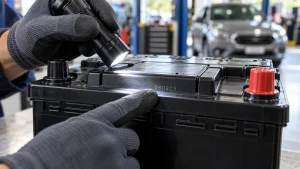
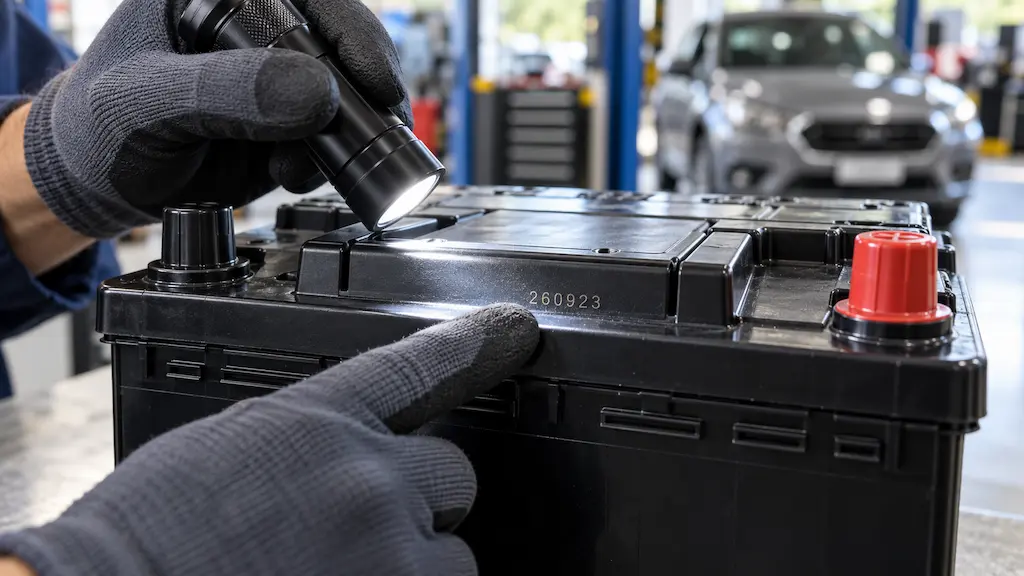
To check a battery’s manufacturing date, look for the coded label near the terminals, usually a letter for the month and a number for the year, confirm it was made within the last three to six months, and ask the seller directly if the code is worn or unclear. A battery manufactured over a year ago is already losing shelf capacity, regardless of how new it looks.
Why the Manufacturing Date Matters More in UAE Heat
Lead-acid batteries lose a small amount of charge capacity every month they sit unused, even in a climate-controlled warehouse, through a slow internal self-discharge process. In Dubai’s heat, that process speeds up further, since every stage of a battery’s life, storage included, runs faster at higher temperatures. This is part of the same reason UAE heat shortens a typical battery’s replacement cycle: a battery that already spent its early months sitting on a shelf in the heat has less of its working life left once it finally goes into your car.
How to Read the Manufacturing Date Code
Most manufacturers print a short alphanumeric code on the battery label, often near the barcode or warranty sticker, rather than a plain written date. The common format uses a letter for the month, A for January through L for December, skipping I to avoid confusion with the number 1, followed by a digit for the year, so C4 would typically read as March of a year ending in 4.
The exact format can vary slightly between brands, so if the code on your battery doesn’t match this pattern, the safest approach is to ask the seller or technician to confirm what it means before you accept the unit.
Signs to look for on the label:
- A clear, printed code rather than a handwritten or stamped-over date
- A date within the last three to six months from your purchase
- Consistency between the date code and the warranty start date, if one is listed separately
What “New” Should Actually Mean
Most reputable distributors aim to move battery stock within three to six months of production, since the self-discharge clock is already running from day one. Given the realistic lifespan most UAE car batteries deliver in day-to-day use, a battery that is already six to twelve months old before it’s even installed is effectively starting its countdown early, shortening the real-world service life you get for the same price.
This matters even more in a hot climate, since a battery that spent its first several months aging in storage heat arrives with less margin left before the next replacement is due.
Other Signs a Battery Has Been Sitting Too Long
The date code is the most reliable check, but a few physical signs are worth a quick look too:
- Corrosion or a white powdery residue around the terminals
- A case that looks slightly swollen or bulged rather than flat-sided
- A dusty, dull casing instead of a clean, glossy finish
- A voltage reading noticeably below the manufacturer’s resting spec, if you’re able to test it with a multimeter
Any one of these alone isn’t automatically a problem, but combined with an old date code, they’re a reason to ask questions before accepting the battery.
What to Do If the Date Doesn’t Check Out
If the manufacturing date is older than expected, ask for a different unit from newer stock rather than accepting it as-is. A legitimate supplier should be able to show you an alternative or explain why that particular batch is still within a safe window despite its age.
If you’re choosing a replacement battery rather than being handed a specific brand, comparing the best car battery options for UAE conditions beforehand can help you walk into the conversation already knowing what you’re looking for, instead of relying entirely on what’s handed to you on the day.
Quick Checklist Before You Accept a New Battery
- Locate and read the manufacturing date code on the label
- Confirm it falls within the last three to six months
- Check the terminals for corrosion or residue
- Check the case for swelling, cracks, or dullness
- Ask the technician to explain the code if it isn’t clear
- Request a fresher unit if the date is older than you’d expect for a “new” battery
Conclusion
A new battery should mean a fresh one, not just one that hasn’t been installed yet. Checking the manufacturing date takes under a minute and tells you far more about what you’re actually paying for than the fact that it arrived sealed in a box. In a climate that already shortens battery life, starting with the freshest possible stock is one of the few checks that’s entirely within your control.
Frequently Asked Questions
How do I find the manufacturing date on a car battery?
Look near the terminals or warranty sticker for a short alphanumeric code. Most brands use a letter for the month and a digit for the year, though the exact format can vary, so ask the seller to confirm if you’re unsure.
Can a battery still be sold as new if it’s a year old?
Technically it hasn’t been used, but a battery that old has already lost meaningful shelf capacity through self-discharge, so it won’t perform or last like a genuinely fresh unit.
Does an older manufacture date automatically mean the battery is faulty?
Not necessarily, but it does mean reduced remaining life compared with a freshly made unit, and it’s worth asking for a newer alternative if one is available.
How often do I need to check this?
Only when you’re accepting a new or replacement battery, whether that’s during a scheduled swap, an emergency replacement, or a standard shop purchase.